




What is the soldering temperature for Cbb21?
 Sep 12, 2025|
 When it comes to the Cbb21 capacitor, one of the most frequently asked questions is about its soldering temperature. As a reliable Cbb21 supplier, I'm here to share in - depth knowledge on this topic.
Understanding Cbb21 Capacitors
Cbb21 capacitors, also known as metalized polypropylene film capacitors, are widely used in various electronic circuits due to their excellent electrical properties. They offer low dielectric loss, high insulation resistance, and good self - healing characteristics. These features make them suitable for applications such as power supplies, lighting circuits, and motor start circuits.
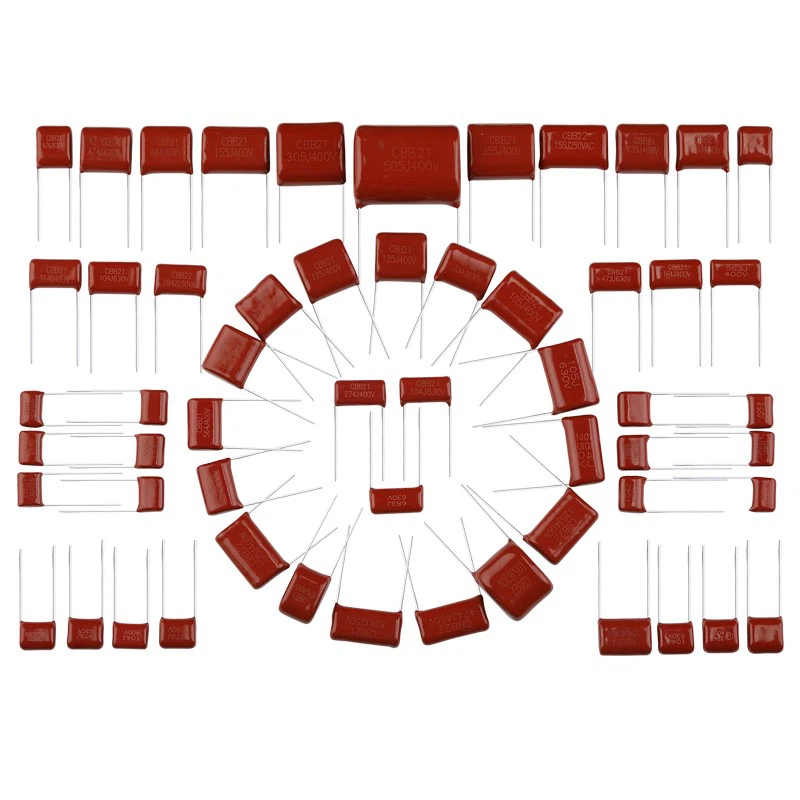

The CBB21 - Film Capacitor 250V and CBB21 - Film Capacitor 400V are two common voltage ratings in the Cbb21 series. Different voltage ratings are designed to meet the requirements of different circuits, and the soldering process should be carefully controlled to ensure the performance and reliability of these capacitors.
Factors Affecting Soldering Temperature
Several factors need to be considered when determining the appropriate soldering temperature for Cbb21 capacitors.
Capacitor Material
The dielectric material of Cbb21 capacitors is polypropylene film. Polypropylene has a relatively low melting point compared to some other materials. High - temperature soldering can cause the polypropylene film to deform or even melt, which will damage the capacitor's electrical properties. Therefore, the soldering temperature should be kept within a range that does not harm the polypropylene film.
Soldering Method
There are different soldering methods, such as manual soldering and reflow soldering. Manual soldering is often used for small - scale production or prototype development. In manual soldering, the soldering iron tip temperature is a critical factor. The temperature of the soldering iron tip should be carefully adjusted to avoid overheating the capacitor.
Reflow soldering, on the other hand, is commonly used in mass production. In a reflow soldering process, the entire printed circuit board (PCB) with components is passed through a reflow oven. The oven has a specific temperature profile that includes pre - heating, soaking, and reflow stages. The temperature profile needs to be optimized to ensure proper soldering without damaging the Cbb21 capacitors.
PCB Design
The design of the PCB also affects the soldering temperature. For example, the size and thickness of the copper traces on the PCB can influence the heat transfer during soldering. Thick copper traces can conduct heat more effectively, which may require a higher soldering temperature to ensure good solder joints. Additionally, the layout of the components on the PCB can affect the local temperature distribution during soldering.
Recommended Soldering Temperatures
Manual Soldering
For manual soldering of Cbb21 capacitors, the recommended soldering iron tip temperature is typically in the range of 320°C - 380°C. This temperature range allows for quick and reliable soldering without causing excessive heat stress to the capacitor. When soldering, it is important to keep the contact time between the soldering iron tip and the capacitor lead as short as possible, usually within 3 - 5 seconds. Prolonged contact can transfer too much heat to the capacitor, leading to potential damage.
Reflow Soldering
In reflow soldering, the temperature profile is more complex. A typical reflow temperature profile for Cbb21 capacitors may include the following stages:
- Pre - heating Stage: The temperature is gradually increased from room temperature to around 150°C - 180°C over a period of 60 - 120 seconds. This stage helps to remove moisture from the components and the PCB and prepares the solder paste for the next stage.
- Soaking Stage: The temperature is maintained at around 180°C - 200°C for 60 - 90 seconds. During this stage, the flux in the solder paste activates, removing oxides from the solder joints and improving the wetting of the solder.
- Reflow Stage: The temperature is rapidly increased to the peak temperature, which is typically in the range of 230°C - 250°C. The peak temperature should be maintained for about 10 - 20 seconds to ensure complete melting of the solder and good solder joints.
- Cooling Stage: After the reflow stage, the temperature is gradually decreased to solidify the solder. A slow cooling rate is preferred to avoid thermal shock to the components.
Consequences of Incorrect Soldering Temperature
Using an incorrect soldering temperature can have several negative consequences for Cbb21 capacitors.
Overheating
If the soldering temperature is too high, the polypropylene film inside the capacitor may be damaged. This can lead to a decrease in the capacitor's insulation resistance, an increase in dielectric loss, and a reduction in the self - healing ability. In severe cases, the capacitor may even fail completely, causing the electronic circuit to malfunction.
Insufficient Heating
On the other hand, if the soldering temperature is too low, the solder may not melt properly, resulting in poor solder joints. Poor solder joints can have high resistance, which can cause voltage drops, overheating, and intermittent connections in the circuit. This can lead to unreliable operation of the electronic device and may require re - work to fix the soldering issues.
Importance of Following Recommended Temperatures
As a Cbb21 supplier, I emphasize the importance of following the recommended soldering temperatures. By using the correct soldering temperature, you can ensure the long - term reliability and performance of the Cbb21 capacitors in your electronic products. This not only reduces the risk of product failure but also helps to maintain the quality and reputation of your brand.
If you are looking for high - quality Cbb21 capacitors, we offer a wide range of products, including the Mkp Capacitor. Our capacitors are manufactured with strict quality control measures to ensure excellent performance.
If you are interested in purchasing our Cbb21 capacitors or have any questions about soldering or capacitor applications, please feel free to contact us for further discussions and procurement negotiations. We are committed to providing you with the best products and services.
References
- "Capacitor Handbook" by John D. Ryder
- "Electronic Assembly Technology" by Paul T. Vianco