



What is the lifespan of Cbb21?
 Dec 29, 2025|
 Hey there! As a supplier of Cbb21 capacitors, I often get asked about their lifespan. It's a crucial question, especially for those who rely on these components in their electronic projects. So, let's dive right in and explore what determines the lifespan of Cbb21 capacitors.
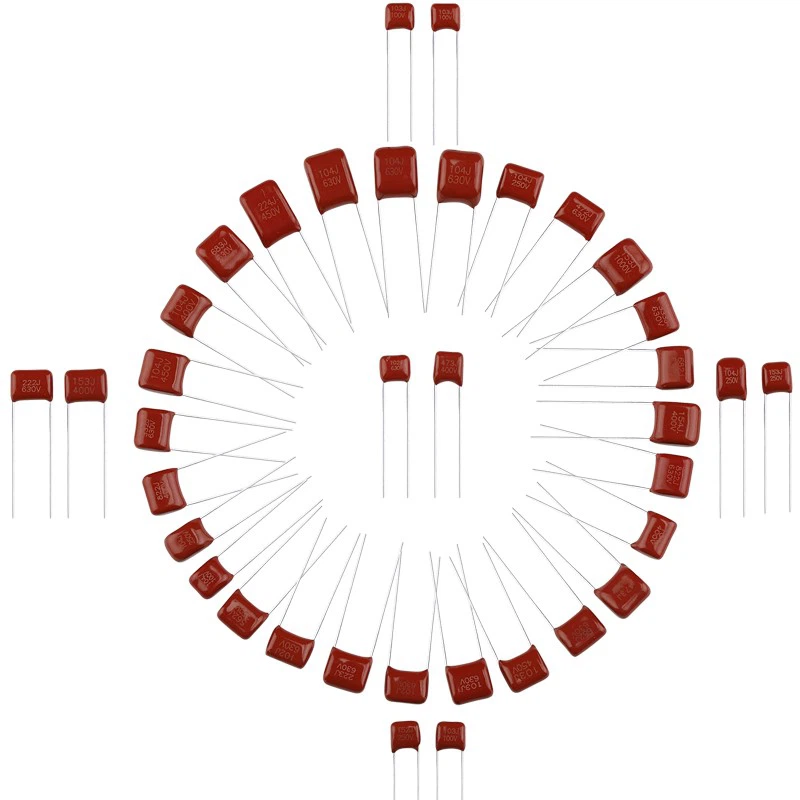
First off, what exactly is a Cbb21 capacitor? Well, it's a type of metalized polypropylene film capacitor. These capacitors are widely used in various electronic applications because of their excellent electrical properties, such as low loss, high insulation resistance, and good self - healing ability.
Now, the lifespan of a Cbb21 capacitor isn't set in stone. It depends on several factors, and I'll break them down for you.
Operating Temperature
One of the most significant factors affecting the lifespan of a Cbb21 capacitor is the operating temperature. Capacitors, like most electronic components, don't like it too hot. High temperatures can accelerate the aging process of the dielectric material inside the capacitor.
When a Cbb21 capacitor operates at elevated temperatures, the molecules in the polypropylene film start to move more vigorously. This increased molecular activity can lead to a breakdown of the dielectric properties over time. As a general rule, for every 10°C increase in temperature above the rated temperature, the expected lifespan of the capacitor can be halved.
For example, if a Cbb21 capacitor is rated to have a lifespan of 10,000 hours at its rated temperature (usually around 85°C), running it at 95°C could reduce its lifespan to around 5,000 hours. So, it's really important to ensure proper heat dissipation in the circuit where the capacitor is used. You might want to consider adding heat sinks or fans if the application generates a lot of heat.
Voltage Stress
Another key factor is the voltage stress on the capacitor. Cbb21 capacitors are rated for a specific maximum voltage. If you exceed this voltage, it can cause a phenomenon called dielectric breakdown.
When the voltage across the capacitor is too high, the electric field within the dielectric material becomes so strong that it can ionize the molecules in the film. This ionization can create conductive paths, leading to a short - circuit within the capacitor. Even if the over - voltage doesn't cause an immediate breakdown, it can still damage the dielectric over time, reducing the capacitor's lifespan.
It's always a good idea to use a capacitor with a voltage rating higher than the actual voltage in the circuit. For instance, if your circuit operates at 200V, you might want to choose a Cbb21 capacitor rated for 400V, like the Cbb21 105j400v. This provides a safety margin and helps to extend the capacitor's lifespan.
Humidity and Environmental Conditions
Humidity can also have a negative impact on the lifespan of Cbb21 capacitors. Moisture can penetrate the capacitor's casing and reach the dielectric material. Once moisture gets in, it can react with the metalized electrodes and the dielectric, causing corrosion and degradation of the electrical properties.
In addition to humidity, exposure to dust, chemicals, and other contaminants can also affect the capacitor. These contaminants can accumulate on the surface of the capacitor, which may lead to leakage currents or even short - circuits. So, it's important to use Cbb21 capacitors in clean and dry environments. If the application is in a harsh environment, you might need to use protective enclosures or coatings to shield the capacitor.
Ripple Current
Ripple current is the alternating current component that flows through the capacitor in a circuit. When a Cbb21 capacitor is subjected to a high ripple current, it can generate heat due to the internal resistance of the capacitor (equivalent series resistance or ESR).
The heat generated by the ripple current can cause the same problems as high operating temperatures. It can accelerate the aging of the dielectric and reduce the capacitor's lifespan. To minimize the impact of ripple current, you can choose a capacitor with a low ESR value. Also, make sure to size the capacitor appropriately for the expected ripple current in the circuit.
Expected Lifespan Estimates
Under normal operating conditions, which means operating at or below the rated temperature, voltage, and ripple current, and in a clean and dry environment, a Cbb21 capacitor can have a lifespan of tens of thousands of hours. Some high - quality Cbb21 capacitors can last up to 50,000 hours or more.
However, if the operating conditions are less than ideal, the lifespan can be significantly reduced. For example, in a high - temperature, high - voltage, and high - humidity environment, the capacitor might only last a few thousand hours.
Our Cbb21 Product Range
As a supplier, we offer a wide range of Cbb21 capacitors to meet different application requirements. We have CBB21 - Film Capacitor 100V and CBB21 - Film Capacitor 160V options, among others. These capacitors are designed to provide reliable performance and a long lifespan when used within their specified parameters.
We ensure that our Cbb21 capacitors are manufactured using high - quality materials and strict quality control processes. This helps to guarantee their performance and durability.
Conclusion
In conclusion, the lifespan of Cbb21 capacitors is influenced by multiple factors, including operating temperature, voltage stress, humidity, and ripple current. By understanding these factors and taking appropriate measures to control them, you can maximize the lifespan of the capacitors in your electronic applications.

If you're in the market for Cbb21 capacitors, we're here to help. Our team of experts can assist you in choosing the right capacitor for your specific needs. Whether you're working on a small DIY project or a large - scale industrial application, we've got the products and knowledge to support you.
Don't hesitate to reach out to us for more information or to start a procurement discussion. We're looking forward to working with you!
References
- Manufacturer's datasheets for Cbb21 capacitors
- General knowledge of capacitor technology and reliability studies