



How to optimize the performance of a circuit with X2 safety capacitors?
 Nov 20, 2025|
 Hey there, fellow electronics enthusiasts! As a supplier of X2 safety capacitors, I've seen firsthand how these little components can make a huge difference in circuit performance. In this blog post, I'm gonna share some tips on how to optimize the performance of a circuit with X2 safety capacitors.
Understanding X2 Safety Capacitors
First things first, let's talk a bit about what X2 safety capacitors are. These capacitors are designed to be used in AC power supply circuits, mainly for suppressing electromagnetic interference (EMI). They're called "X2" because they meet specific safety standards for use in these applications. X2 safety capacitors are typically made of metalized polypropylene film, which gives them good self - healing properties and high reliability.
One of the great things about X2 safety capacitors is their ability to handle high - voltage spikes. They can absorb and dissipate energy from these spikes, protecting other components in the circuit. This is crucial in many applications where electrical noise and voltage fluctuations can cause malfunctions or even damage to the equipment.
Choosing the Right X2 Safety Capacitor
When it comes to optimizing circuit performance, choosing the right X2 safety capacitor is key. There are several factors to consider:

Voltage Rating
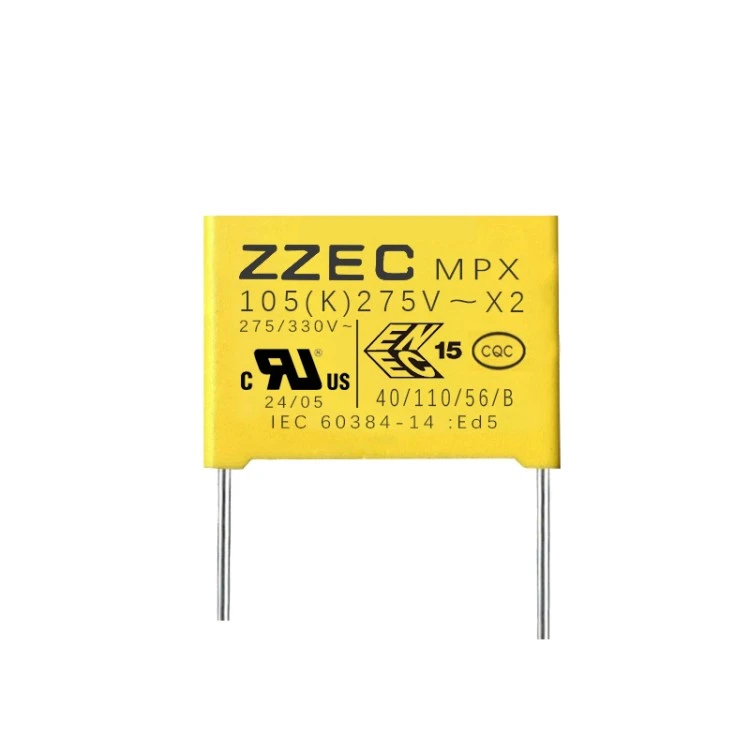
The voltage rating of the capacitor should be higher than the maximum voltage that the capacitor will experience in the circuit. For example, if your circuit operates at a nominal voltage of 230V AC, you might want to choose a capacitor with a voltage rating of 275V or 310V. We offer a great option in the X2 - Anti - Jamming Film Capacitor 310V. This capacitor can handle higher voltage spikes, providing an extra layer of protection for your circuit.
Capacitance Value
The capacitance value determines how much charge the capacitor can store. A higher capacitance value means more charge storage, which can be useful for filtering out low - frequency noise. However, if the capacitance is too high, it can cause issues such as increased power consumption and longer charging times. You need to find the right balance based on the specific requirements of your circuit. For some common applications, our 105K275v X2 and 0.1 K 275v X2 capacitors offer a good range of capacitance values to choose from.
Temperature Rating
The temperature rating of the capacitor indicates the maximum temperature at which it can operate safely. In high - temperature environments, a capacitor with a higher temperature rating is needed. Otherwise, the performance of the capacitor may degrade, and its lifespan may be shortened.
Placement of X2 Safety Capacitors in the Circuit
The placement of X2 safety capacitors in the circuit also plays a significant role in optimizing performance.
Near the Power Input
Placing the X2 safety capacitor as close as possible to the power input of the circuit is a good idea. This helps to filter out the incoming noise and voltage spikes right at the source. By doing so, you can prevent these disturbances from propagating further into the circuit and affecting other components.
Parallel to the Load
In some cases, placing the capacitor in parallel with the load can also be beneficial. This can help to stabilize the voltage across the load and reduce the impact of electrical noise on the load. However, you need to make sure that the capacitor is rated correctly for the load current and voltage.
Considerations for Circuit Layout
The layout of the circuit board can have a big impact on the performance of X2 safety capacitors.
Short Traces
Keep the traces connecting the capacitor to other components as short as possible. Long traces can act as antennas, picking up and radiating electromagnetic interference. Short traces reduce the inductance in the circuit, which is important for the capacitor to work effectively in filtering out high - frequency noise.
Avoiding Cross - Coupling
Make sure to avoid cross - coupling between the capacitor and other sensitive components in the circuit. Cross - coupling can cause unwanted interactions between the capacitor and other parts of the circuit, leading to performance degradation. You can use proper shielding and isolation techniques to minimize this effect.
Testing and Monitoring
Once you've chosen and placed the X2 safety capacitors in your circuit, it's important to test and monitor the circuit performance.
Electrical Testing
Use electrical testing equipment such as oscilloscopes and spectrum analyzers to measure the voltage, current, and frequency characteristics of the circuit. This can help you to identify any issues with the capacitor or the overall circuit performance. For example, if you notice excessive voltage spikes or abnormal noise levels, it could indicate a problem with the capacitor or its placement.
Long - Term Monitoring
In addition to initial testing, long - term monitoring of the circuit is also necessary. This can help you to detect any gradual changes in the performance of the capacitor over time. If you notice a decline in performance, it may be time to replace the capacitor.
Conclusion
Optimizing the performance of a circuit with X2 safety capacitors requires careful consideration of several factors, including choosing the right capacitor, proper placement in the circuit, good circuit layout, and thorough testing and monitoring. As a supplier of X2 safety capacitors, we're here to help you find the best solutions for your circuit needs.
If you're interested in purchasing X2 safety capacitors for your projects, or if you have any questions about how to optimize your circuit performance, feel free to reach out to us. We can provide you with detailed product information and technical support to ensure that you get the most out of our X2 safety capacitors.
References
- Grover, A. (2018). Capacitor Handbook: Theory, Applications, and Design. McGraw - Hill.
- Dorf, R. C., & Bishop, R. H. (2016). Introduction to Electric Circuits. Wiley.