




Can cbb21x - mini film capacitor be used in microwave circuits?
 Jun 24, 2025|
 As a supplier of CBB21X - Mini Film Capacitors, I often get asked whether these capacitors can be used in microwave circuits. In this blog, I'll delve into the characteristics of CBB21X - Mini Film Capacitors and explore their potential suitability for microwave applications.
Understanding CBB21X - Mini Film Capacitors
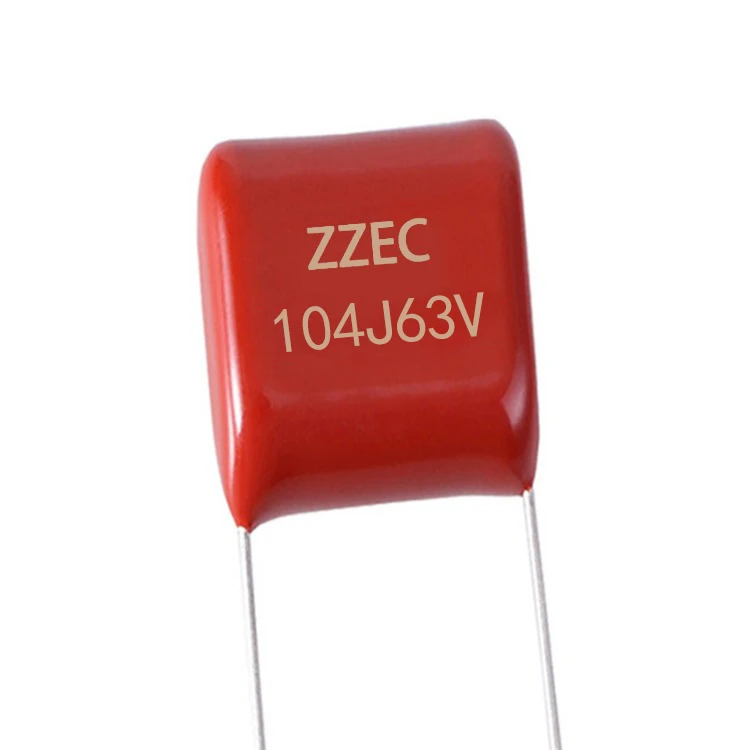
CBB21X - Mini Film Capacitors are a type of metalized polypropylene film capacitor. They are known for their excellent electrical properties and compact size. These capacitors offer low dielectric loss, high insulation resistance, and good self - healing properties.
The low dielectric loss is a crucial feature. Dielectric loss refers to the energy dissipated as heat when an alternating current passes through the capacitor. A low dielectric loss means that the capacitor can operate more efficiently, reducing the amount of wasted energy and heat generation. This is particularly important in applications where energy efficiency is a priority.
The high insulation resistance ensures that there is minimal leakage current. Leakage current can cause power losses and potentially affect the performance of the circuit. With high insulation resistance, CBB21X - Mini Film Capacitors can maintain a stable electrical performance over time.
Self - healing is another significant advantage. If there is a breakdown in the dielectric material due to overvoltage or other factors, the metalized layer on the film can vaporize around the breakdown point, isolating the damaged area and restoring the capacitor's functionality. This self - healing property enhances the reliability and lifespan of the capacitor.
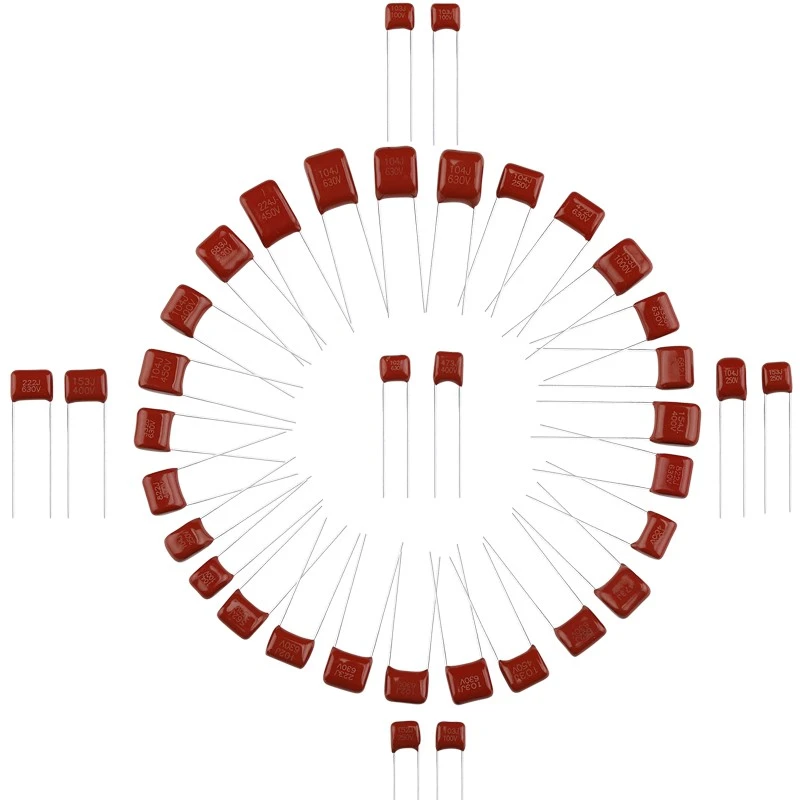
There are different voltage ratings available for CBB21X - Mini Film Capacitors, such as CBB21X - Mini Film Capacitor 63V, CBB21X - Mini Film Capacitor 100V, and CBB21X - Mini Film Capacitor 630V. This wide range of voltage ratings allows them to be used in various circuits with different voltage requirements.
Microwave Circuits: Requirements and Challenges
Microwave circuits operate at frequencies typically in the range of 1 GHz to 300 GHz. These circuits have unique requirements and face several challenges.
One of the key requirements is low signal loss. In microwave applications, even a small amount of signal loss can significantly degrade the performance of the system. For example, in a microwave communication system, signal loss can lead to a weaker signal at the receiver end, resulting in poor communication quality, such as lower data transfer rates or higher error rates.
Another important requirement is high - frequency stability. The components in a microwave circuit need to maintain their electrical properties over a wide range of frequencies. Any variation in capacitance or other electrical parameters with frequency can cause phase shifts and amplitude variations in the microwave signals, which can disrupt the proper functioning of the circuit.
Microwave circuits also often need to handle high - power signals. Components in these circuits must be able to withstand high - power levels without overheating or failing. High - power signals can generate a significant amount of heat, and if the components cannot dissipate this heat effectively, it can lead to thermal breakdown and damage to the circuit.
Can CBB21X - Mini Film Capacitors Be Used in Microwave Circuits?
Advantages
- Low Dielectric Loss: As mentioned earlier, CBB21X - Mini Film Capacitors have low dielectric loss. This characteristic is beneficial in microwave circuits as it helps to reduce signal loss. The low energy dissipation as heat means that the microwave signals can pass through the capacitor with less attenuation, maintaining the strength and quality of the signals.
- High Insulation Resistance: The high insulation resistance of these capacitors is also an advantage in microwave circuits. It helps to prevent leakage current, which can cause interference and power losses in high - frequency applications. With minimal leakage current, the capacitor can contribute to a more stable and efficient microwave circuit.
- Self - Healing Property: The self - healing property can enhance the reliability of the microwave circuit. In a high - power or high - voltage microwave environment, there is a risk of dielectric breakdown. The self - healing ability of CBB21X - Mini Film Capacitors allows them to recover from such breakdowns and continue to function, reducing the likelihood of circuit failure.
Limitations
- Frequency Response: While CBB21X - Mini Film Capacitors have good electrical properties at lower frequencies, their performance at microwave frequencies may be limited. The parasitic inductance and capacitance associated with the physical structure of the capacitor can become more significant at high frequencies. These parasitic elements can cause resonance and other frequency - dependent effects, which can affect the stability and performance of the microwave circuit.
- Power Handling Capacity: Although these capacitors can handle a certain amount of power, their power handling capacity may not be sufficient for some high - power microwave applications. In high - power microwave circuits, components need to be able to dissipate large amounts of heat generated by the high - power signals. The small size of CBB21X - Mini Film Capacitors may limit their ability to dissipate heat effectively, leading to overheating and potential failure.
Applications in Microwave Circuits
Despite the limitations, there are still some microwave applications where CBB21X - Mini Film Capacitors can be used effectively.
In low - power microwave circuits, such as some microwave sensors or low - power communication modules, the low dielectric loss and high insulation resistance of these capacitors can be beneficial. For example, in a microwave proximity sensor, the capacitor can be used in the signal - conditioning circuit to filter and store electrical energy. The low signal loss of the capacitor ensures that the sensor can detect the target accurately, while the high insulation resistance helps to maintain the stability of the sensor's output.
In some cases where the frequency requirements are not extremely high (e.g., in the lower end of the microwave frequency range, around 1 - 5 GHz), CBB21X - Mini Film Capacitors can also be considered. These capacitors can provide a cost - effective solution compared to some specialized high - frequency capacitors.
Conclusion
In conclusion, CBB21X - Mini Film Capacitors have both advantages and limitations when it comes to using them in microwave circuits. Their low dielectric loss, high insulation resistance, and self - healing property make them suitable for some low - power and lower - frequency microwave applications. However, their frequency response and power handling capacity may limit their use in high - power and extremely high - frequency microwave circuits.
If you are considering using CBB21X - Mini Film Capacitors in your microwave applications, it is essential to carefully evaluate your circuit requirements. Our team of experts can provide detailed technical support and advice to help you determine whether these capacitors are the right choice for your specific project.
If you are interested in purchasing CBB21X - Mini Film Capacitors for your microwave or other applications, we invite you to contact us for a detailed discussion. We can provide you with the latest product information, pricing, and delivery options. Let's work together to find the best capacitor solutions for your needs.
References
- "Capacitor Handbook" by a well - known electronics engineering publisher.
- Research papers on the performance of film capacitors in high - frequency circuits from leading academic journals.